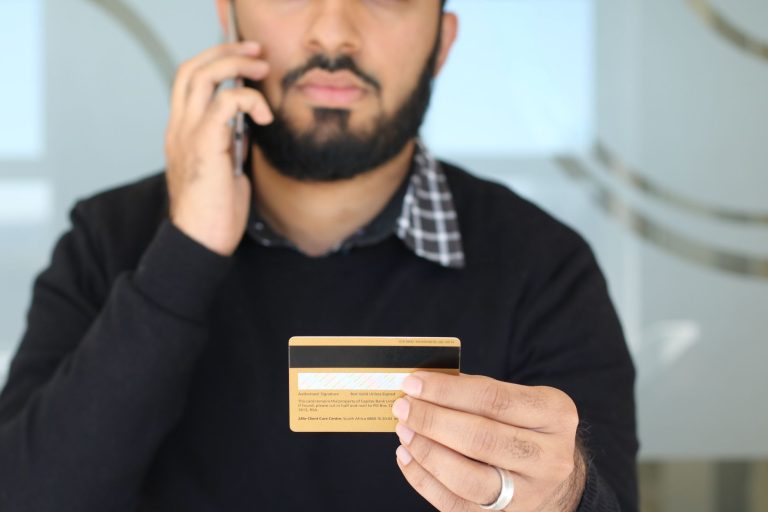
Chargeback Rights: What You Need to understand can protect your money during a card dispute. However, deadlines and procedures vary by payment type.
Chargebacks allow consumers to challenge certain unauthorized, incorrect, or undelivered purchases. Therefore, knowing the process helps you avoid preventable mistakes.

This guide explains essential rights, deadlines, evidence, and practical steps. Additionally, it covers common limitations under United States consumer protection rules.
Chargeback Rights: What You Need to Understand
A chargeback asks your card issuer to reverse a disputed transaction. However, a chargeback does not guarantee an automatic refund.
Card network policies often support the process. Meanwhile, federal laws provide separate protections for qualifying credit and debit card errors.
Therefore, identify your card type before taking action. Credit cards and debit cards follow different legal rules, deadlines, and liability standards.
Chargeback Rights: What You Need to Dispute
You may challenge unauthorized charges, duplicate transactions, or incorrect amounts. Additionally, disputes may cover goods that never arrived.
You might also dispute materially different products or canceled services. However, ordinary dissatisfaction may not create valid chargeback rights.
First, review receipts, delivery records, and cancellation terms. Then, compare those documents with the merchant’s promises and your card statement.
• Unauthorized or fraudulent transactions
• Duplicate charges or incorrect amounts
• Missing products or unprovided services
• Credits that never appeared
• Qualifying billing or processing errors
Chargeback Rights: What You Need to Know About Deadlines
Deadlines matter because delays can weaken legal protections. Therefore, contact your issuer immediately after noticing a questionable transaction.
For certain credit card billing errors, federal law generally requires written notice within 60 days. The period starts after the issuer sends the statement.
Debit card rules differ significantly. Consequently, report lost cards, stolen credentials, and unauthorized transfers as quickly as possible.
《 Federal Trade Commission explains credit card dispute procedures. Additionally, your card agreement may describe network deadlines and submission channels.
How to Build a Strong Chargeback Request
Start with the merchant when practical, especially for delivery or cancellation problems. A direct solution may produce a faster refund.
However, never let merchant discussions consume your dispute deadline. Instead, notify your card issuer while preserving every relevant document.
Explain the issue clearly and avoid emotional language. Moreover, connect each claim to a receipt, message, policy, photograph, or tracking record.
• Save receipts and order confirmations.
• Capture the transaction date and amount.
• Keep emails and chat transcripts.
• Document refund or cancellation requests.
• Request a case number from the issuer.
Chargeback Rights: What You Need After Filing
Monitor your account after submitting the dispute. Additionally, answer the issuer’s questions quickly and provide requested evidence before stated deadlines.
A temporary credit may appear during an investigation. However, the issuer can remove that credit if the merchant successfully challenges your claim.
Therefore, keep enough funds available and review every update. You should also store the final decision with your supporting records.
被拒后该怎么办
Read the denial letter carefully and identify the reason. Then, compare that reason with your evidence and the issuer’s dispute requirements.
If information remains missing, request clarification or reconsideration. Additionally, follow the issuer’s formal escalation process and retain delivery confirmation.
You can also explore appropriate consumer complaint channels. For more practical financial guidance, 在这里了解更多 before choosing your next step.
常见问题
Does a chargeback guarantee a refund?
No. The issuer reviews evidence from both sides before reaching a decision. Therefore, clear documents and prompt action can strengthen your position.
Should I contact the merchant before filing?
Contacting the merchant often helps with ordinary purchase problems. However, act immediately when fraud, legal deadlines, or account security create urgency.
Are chargeback rules identical for credit and debit cards?
No. Different federal laws and network rules may apply. Consequently, ask your issuer which timeline governs your specific card and transaction.
Can a merchant challenge my chargeback?
Yes. A merchant may submit receipts, delivery records, or authorization evidence. Therefore, organize your own records before starting the dispute.
结论
Chargeback Rights: What You Need begins with prompt action, accurate records, and realistic expectations. Therefore, review statements regularly and report problems immediately.
Additionally, follow your issuer’s instructions without missing legal deadlines. When a dispute involves substantial losses, consider qualified legal or financial guidance.