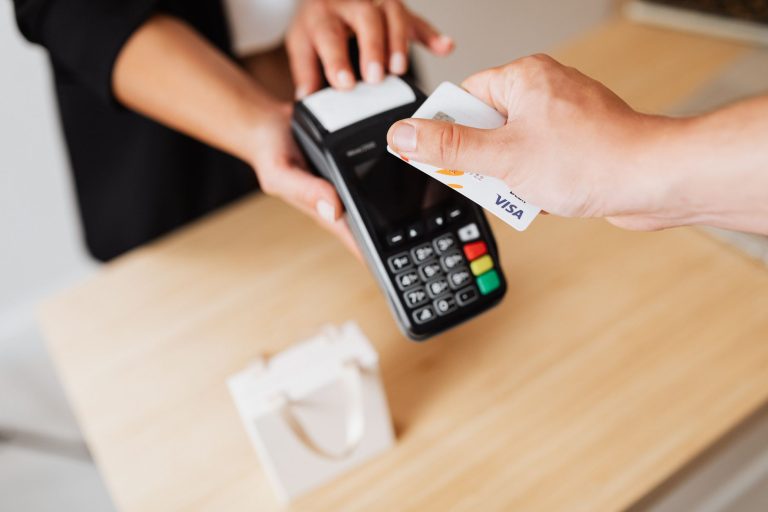
Prepaid Cards vs Debit Cards can look nearly identical at checkout. However, each option handles your money differently. A prepaid card uses funds that you load in advance. In contrast, a debit card draws money from a linked checking account.
Therefore, the right choice depends on your spending habits, banking needs, and financial goals. Fees, account access, security features, and convenience can also influence your decision.

This guide explains the key differences in clear terms. Moreover, it offers practical points you can review before selecting either payment method in 2026.
Prepaid Cards vs Debit Cards: How They Work
A prepaid card lets you spend money that you previously added to the card. Therefore, it does not require a traditional checking account. Once the balance reaches zero, you must add more funds before spending again.
A debit card connects directly to your checking account. Consequently, each purchase reduces your available account balance. You can also use many debit cards for cash withdrawals, deposits, and everyday banking tasks.
Both options may work anywhere their payment network operates. However, card features and acceptance can vary. Therefore, always review the issuer’s terms before applying or adding money.
Prepaid Cards vs Debit Cards: Fees and Costs
Prepaid cards may charge activation, reload, withdrawal, or monthly service fees. However, some issuers reduce fees when customers meet specific requirements. Therefore, compare the complete fee schedule before choosing a card.
Debit cards rarely charge purchase fees. Nevertheless, the linked bank account may include maintenance or overdraft charges. Some banks waive maintenance costs when customers maintain balances or receive qualifying deposits.
Additionally, ATM operators may charge separate withdrawal fees. You can often avoid these costs by using an approved network. For more guidance, visit the Consumer Financial Protection Bureau.
Prepaid Cards vs Debit Cards for Budgeting
Prepaid cards can support firm spending limits. Since you load a specific amount, you can separate travel, shopping, or household expenses. Moreover, the fixed balance may discourage unplanned purchases.
Debit cards offer broader money management tools. For example, many banking apps include alerts, transaction categories, and automatic transfers. Therefore, debit cards may suit people who want centralized financial tracking.
Consider these budgeting differences:
• Prepaid cards: Limit spending to the available loaded balance.
• Debit cards: Provide direct access to checking account funds.
• Both options: May offer mobile alerts and transaction histories.
Prepaid Cards vs Debit Cards: Security and Protection
Security protections depend on the issuer, network, and account agreement. Therefore, register prepaid cards whenever the issuer offers registration. This step can improve account access after loss or theft.
Debit cards usually include fraud monitoring and account controls. However, unauthorized transactions can affect checking account funds immediately. Consequently, customers should report suspicious activity without delay.
In addition, create unique passwords and activate transaction alerts. Never share verification codes with unexpected callers. You can hier meer informatie vinden about building safer everyday financial habits.
Choosing Between Prepaid Cards vs Debit Cards
Choose a prepaid card when you want controlled spending without relying on a checking account. Additionally, prepaid cards can help organize allowances, travel budgets, or dedicated expense categories.
Choose a debit card when you need full banking access and direct account management. Moreover, a checking account may support bill payments, deposits, transfers, and recurring transactions.
Before deciding, review several practical factors:
• Monthly, reload, withdrawal, and account fees
• ATM access and cash withdrawal limits
• Mobile app features and customer support
• Card replacement procedures
• Direct deposit and recurring payment options
Finally, read the full card agreement. Marketing pages often highlight benefits first. However, the agreement explains limits, eligibility rules, and potential charges.
Veelgestelde vragen
Are prepaid cards safer than debit cards?
Neither option offers universal superiority. Instead, safety depends on registration, account controls, issuer policies, and responsible use. Therefore, enable alerts and report unauthorized transactions quickly.
Can a prepaid card replace a bank account?
Some prepaid cards support direct deposits, withdrawals, and online payments. However, they may lack checks, savings tools, or broader banking services. Therefore, compare features carefully.
Do prepaid cards and debit cards build credit?
Standard prepaid and debit card purchases generally do not build credit history. Both options use existing funds rather than borrowed money. Consequently, they differ from credit cards.
Conclusie
Prepaid Cards vs Debit Cards involves more than selecting a convenient payment method. Prepaid cards offer controlled spending and flexible access. Meanwhile, debit cards provide direct checking account integration and broader banking tools.
Therefore, compare fees, protections, limits, and account features before deciding. Ultimately, choose the option that supports your daily needs and financial habits.