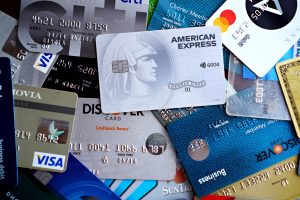
Best Credit Cards for Bad Credit can help you rebuild your financial profile through responsible use. However, choosing the right card requires careful comparison.
Some cards charge high fees or offer limited benefits. Therefore, you should review every cost, feature, and eligibility requirement before applying.

This guide explains the main options available in 2026. Moreover, it shows how to compare cards without relying on promotional claims.
Best Credit Cards for Bad Credit: What Makes a Card Valuable?
A valuable credit card should support long-term credit improvement. Therefore, look for issuers that report payments to the major credit bureaus.
Additionally, prioritize cards with reasonable annual fees. A low fee leaves more money available for payments and everyday expenses.
Finally, examine the annual percentage rate, deposit rules, and account features. The best option should match your budget and spending habits.
Best Credit Cards for Bad Credit With Secured Deposits
Secured credit cards require a refundable security deposit under the issuer’s terms. Usually, that deposit helps determine your credit limit.
Because the deposit reduces the issuer’s risk, secured cards may offer more accessible approval standards. However, approval never remains guaranteed.
Before applying, confirm the deposit amount and refund conditions. Furthermore, check whether the issuer offers a path toward an unsecured account.
How to Compare Credit Card Features
Start by comparing the total ownership cost. Consequently, you should consider annual fees, monthly charges, interest, and foreign transaction fees.
Next, review each issuer’s credit reporting policy. Consistent reporting can help your positive payment history appear on your credit reports.
Also, compare useful account tools. Strong options may provide:
• Free credit score access
• Automatic payment controls
• Custom spending alerts
• No penalty for checking eligibility
• A clear deposit refund policy
For additional guidance, visit the Consumer Financial Protection Bureau. You can also learn more here about responsible financial planning.
Best Credit Cards for Bad Credit and Approval Factors
Card issuers consider several details when reviewing applications. For example, they may examine income, existing obligations, and recent credit activity.
Therefore, review the issuer’s eligibility rules before submitting an application. Multiple applications can add several hard inquiries to your credit reports.
Moreover, use prequalification tools when available. These tools can estimate your approval chances, although they do not guarantee final approval.
Using Your New Credit Card Responsibly
Pay every bill on time because payment history strongly influences common credit scoring models. Therefore, schedule automatic payments whenever possible.
Additionally, keep your balance low compared with your credit limit. Low utilization can support healthier credit management and reduce interest costs.
Finally, avoid unnecessary purchases. Use the card for planned expenses, monitor each statement, and dispute unfamiliar transactions quickly.
Frequently Asked Questions
Can I get a credit card with bad credit?
Yes, some secured and unsecured cards accept applicants with limited or damaged credit. However, issuers still evaluate income and other eligibility factors.
How quickly can a credit card improve my credit?
No card can guarantee a specific timeline. Nevertheless, timely payments and low balances may support gradual improvement as issuers report your activity.
Should I choose a secured or unsecured card?
A secured card may provide clearer costs and broader accessibility. Conversely, an unsecured card avoids a deposit but may charge higher fees.
Conclusion
The Best Credit Cards for Bad Credit combine transparent costs, useful controls, and reliable credit reporting. Therefore, compare every offer carefully before applying.
Choose a manageable account and pay on time. Consequently, responsible use can help you build stronger financial habits throughout 2026.