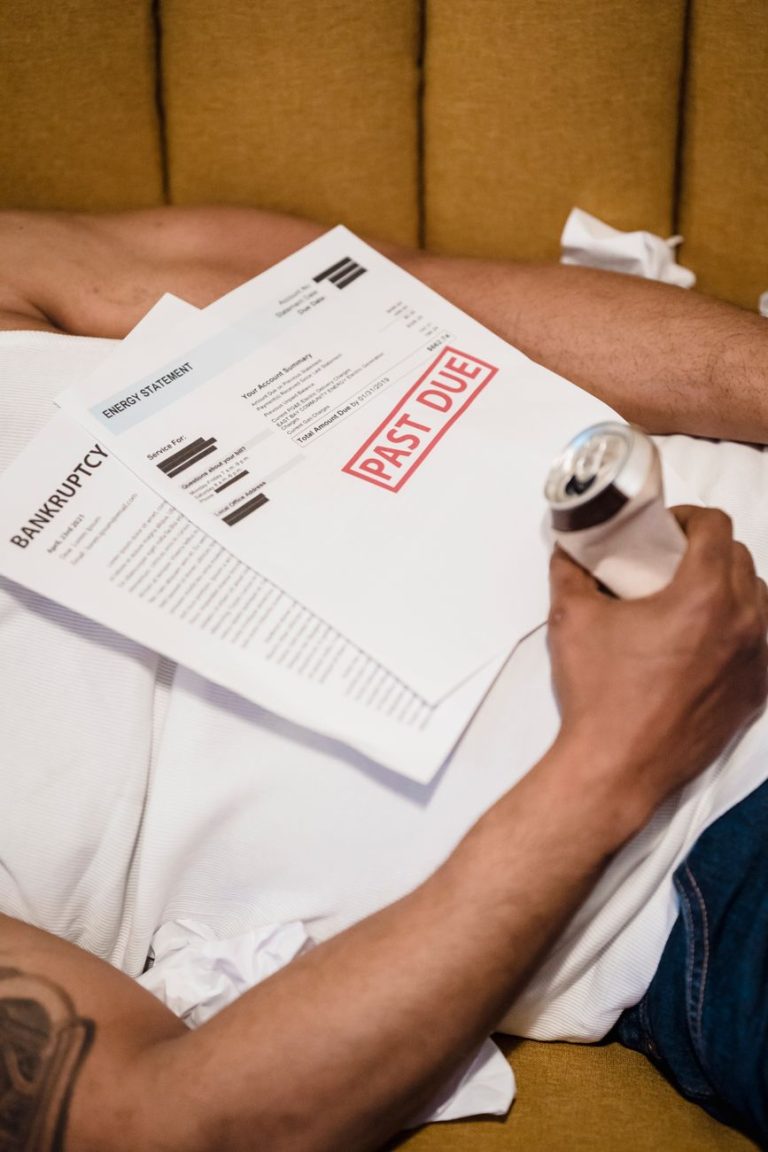
Late Payment? Limit the Damage by acting quickly and communicating clearly. A missed due date can trigger fees, interest, or service restrictions. However, one mistake does not need to become a lasting financial problem.
First, confirm the payment status and available funds. Then, contact the creditor before ignoring additional notices. Quick action may create more options, especially when you have a reliable payment history.
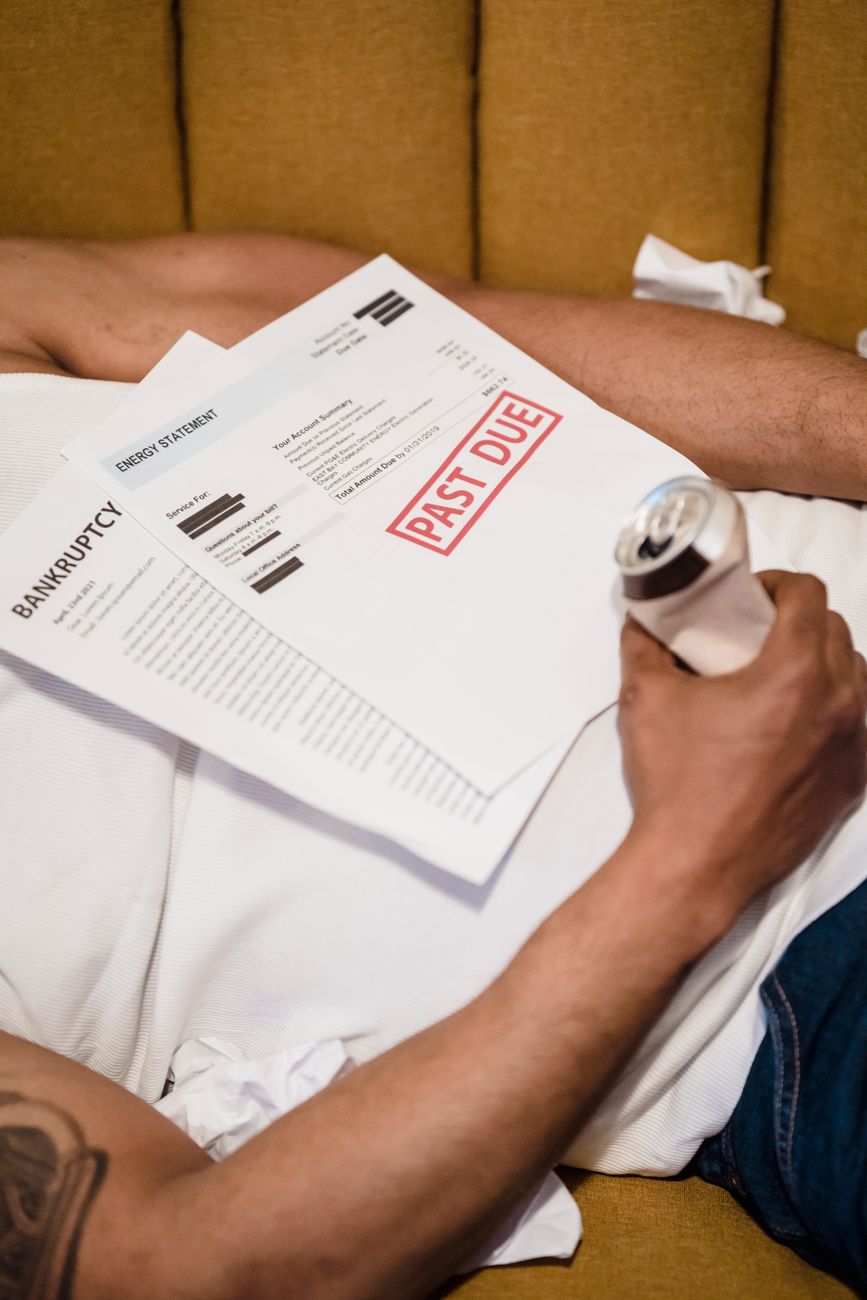
This guide explains what to do next. Moreover, it offers practical methods for protecting your credit and preventing another missed payment.
Late Payment? Limit the Damage Immediately
Start by reviewing your account, due date, and payment history. Also, confirm whether the creditor has already added a fee.
Next, make the payment if you can cover it safely. However, avoid overdrawing your bank account or neglecting essential expenses.
If you cannot pay everything, contact the creditor immediately. Explain the situation briefly, and ask about extensions, payment plans, or hardship options.
Check Fees and Credit Reporting Rules
Late fees and reporting practices vary by creditor, contract, and account type. Therefore, review your agreement instead of making assumptions.
A late fee does not always mean immediate credit bureau reporting. Still, you should resolve the balance before the delay grows.
For reliable credit guidance, visit the Consumer Financial Protection Bureau. The agency explains credit reports, scores, and dispute rights.
Late Payment? Limit the Damage Through Communication
Call the creditor and provide a realistic payment date. In addition, ask the representative to explain every available solution.
If you usually pay on time, request a one-time fee waiver. The creditor may decline, but a polite request can still help.
Document the conversation afterward. Record the date, representative’s name, promised terms, and any confirmation number you receive.
Late Payment? Limit the Damage With Written Confirmation
Ask for important arrangements in writing. Consequently, you can verify payment amounts, deadlines, and possible account restrictions.
Read every message carefully before accepting new terms. Moreover, confirm whether the arrangement changes interest, fees, or future due dates.
Keep receipts and account screenshots after paying. However, never send sensitive banking details through unverified email or text messages.
Build a Simple Recovery Plan
A recovery plan should protect essential needs while addressing overdue balances. Therefore, prioritize housing, utilities, food, transportation, and required insurance.
Then, list each overdue account with its balance and deadline. This step creates clarity and prevents another forgotten obligation.
Use these actions to organize your recovery:
• Pay urgent accounts first when delay could threaten housing, transportation, or essential services.
• Schedule realistic payments that fit your actual cash flow.
• Track every confirmation inside one secure folder or budgeting application.
• Review automatic charges and cancel unnecessary subscriptions.
Prevent the Next Late Payment
Set calendar reminders several days before each due date. Alternatively, use automatic payments when your income and account balance remain predictable.
Also, build a small checking-account buffer. Even a modest cushion can help prevent timing problems and accidental overdrafts.
Finally, review your budget every month. For more practical money-management guidance, learn more here and create a routine that matches your income.
Frequently Asked Questions
Should I pay a late bill immediately?
Pay it quickly when you can do so without missing essential expenses. Otherwise, contact the creditor and request realistic payment options.
Can I ask the creditor to remove a late fee?
Yes. Ask politely, especially if you normally pay on time. However, the creditor controls the decision and may refuse your request.
Should I dispute an accurate late payment?
No. Dispute information only when you believe it contains an error. Instead, address accurate information through payment and responsible account management.
Conclusion
A late payment requires prompt action, not panic. Therefore, verify the balance, contact the creditor, and document every agreement.
Additionally, create reminders and maintain a realistic budget. These habits can reduce future risk and support stronger financial control throughout 2026.