
Identity Theft: Freeze Your Credit should become your immediate priority when criminals obtain your personal information. A credit freeze blocks most creditors from accessing your credit reports. Therefore, criminals may struggle to open new accounts under your name.
However, a freeze does not correct fraudulent charges or secure existing accounts. You must also review your reports, contact affected companies, and change vulnerable passwords. Moreover, quick action can limit further financial damage.
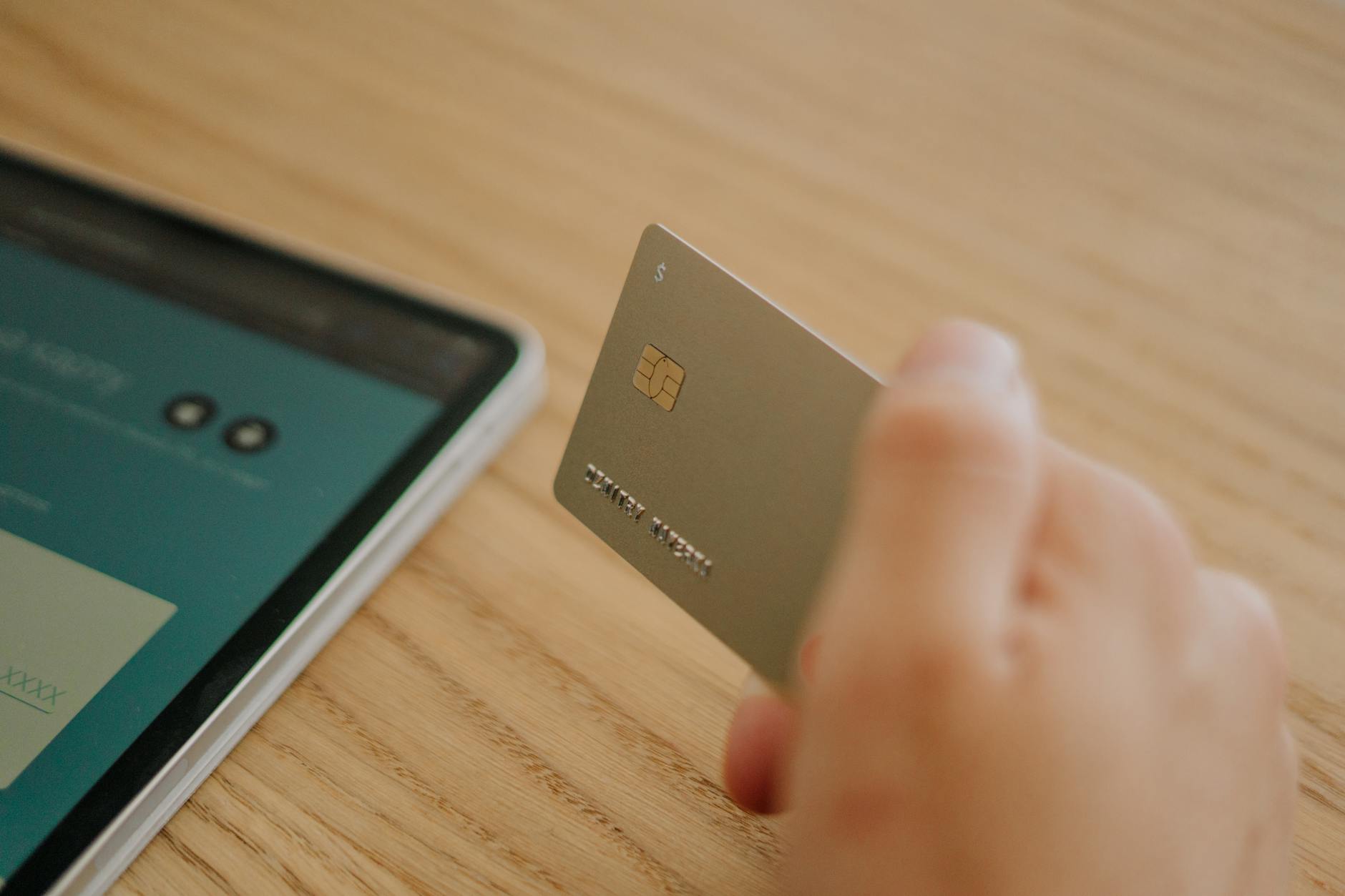
This guide explains every essential step for 2026. You will learn how to freeze each report and strengthen your broader recovery plan.
Identity Theft: Freeze Your Credit at All Three Bureaus
First, contact Equifax, Experian, and TransUnion separately. Freezing one report does not automatically freeze the other two reports. Therefore, complete the process with every bureau.
Each bureau offers online, telephone, and mail options. However, online requests usually provide the fastest route. Use only official bureau websites and avoid suspicious advertisements.
Additionally, save every confirmation and account credential securely. You will need these details when you temporarily lift or permanently remove a freeze.
How a Credit Freeze Protects You
A credit freeze restricts access to your credit file. Consequently, many lenders cannot evaluate unauthorized applications. This barrier can discourage criminals from opening fraudulent accounts.
However, the freeze does not affect your credit score. It also does not stop you from using current credit cards. Therefore, your established accounts should continue working normally.
Moreover, some organizations can still access your report under specific legal conditions. Existing creditors, debt collectors, and certain government agencies may retain access.
Identity Theft: Freeze Your Credit and Secure Existing Accounts
Next, inspect bank, loan, and card statements for unfamiliar activity. Report suspicious transactions directly to each financial institution. Additionally, request replacement cards when criminals may know account numbers.
Change passwords for email, banking, shopping, and payment services. Furthermore, create a unique password for every account. A password manager can simplify this task.
Then, enable multifactor authentication wherever possible. Prefer an authenticator application or security key when a service supports those options. These tools strengthen account protection.
Immediate Security Checklist
• Freeze reports with all three credit bureaus.
• Review every financial account for unauthorized activity.
• Replace compromised passwords and payment cards.
• Enable account alerts and multifactor authentication.
• Document calls, reports, dates, and confirmation numbers.
Report Identity Theft Through Official Channels
Visit the Federal Trade Commission identity theft portal to create a personalized recovery plan. The portal also explains reporting and documentation steps.
Additionally, contact local law enforcement when circumstances require a police report. For example, creditors may request one during complex disputes. Keep a copy for your records.
You should also dispute inaccurate information with both the bureau and information provider. Therefore, include clear evidence and retain copies of every document.
Identity Theft: Freeze Your Credit Before Applying Again
You can temporarily lift a freeze when you need new credit. First, ask the lender which credit bureau it plans to check. Then, lift only that report when practical.
Furthermore, choose a defined lifting period when the bureau offers that option. A limited window reduces unnecessary exposure. Afterward, verify that the freeze becomes active again.
Do not remove protection permanently unless you have a clear reason. Instead, manage access carefully during apartment, loan, insurance, or utility applications.
Monitor Your Credit After the Freeze
A freeze blocks many new applications, but it cannot solve every identity theft problem. Therefore, review your credit reports and financial statements regularly.
Look for unfamiliar addresses, inquiries, collections, and accounts. Moreover, investigate small unexplained charges because criminals sometimes test stolen payment details first.
Finally, maintain organized recovery records. Store letters, screenshots, case numbers, and receipts securely. For more practical security guidance, learn more here.
Frequently Asked Questions
Does freezing my credit lower my credit score?
No. A credit freeze does not lower your credit score. Moreover, it does not prevent you from reviewing your own credit report.
Do I need to freeze all three credit reports?
Yes. Each bureau manages its own credit file. Therefore, contact Equifax, Experian, and TransUnion separately for complete coverage.
Can I still use my credit cards after a freeze?
Yes. A freeze generally affects new credit applications, not existing accounts. However, continue monitoring current cards for suspicious transactions.
Is a credit freeze the same as a fraud alert?
No. A freeze restricts report access. In contrast, a fraud alert asks businesses to verify your identity before granting credit.
Conclusion
Identity Theft: Freeze Your Credit offers a powerful starting point for limiting new-account fraud. However, complete protection requires broader action. Monitor existing accounts, report fraudulent activity, and secure every vulnerable login.
Therefore, act immediately and document each step. A careful response can reduce disruption and support an organized recovery.